How to Compare Home Insurance Policies and Save Money
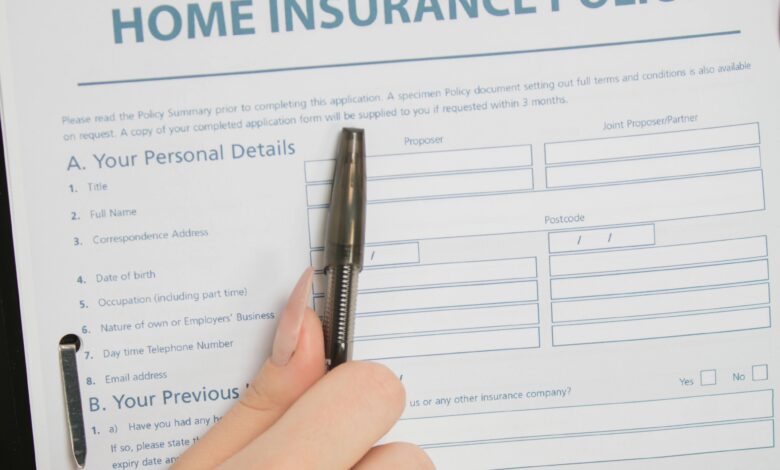
When it comes to protecting your home, having the right insurance policy is essential. Home insurance not only provides financial security in case of unforeseen disasters but also offers peace of mind knowing that your most valuable asset is safeguarded. However, with so many options available, comparing home insurance policies can feel overwhelming. The good news? With a little effort and some smart strategies, you can find a policy that fits your needs while saving money in the process.
In this guide, we’ll walk you through everything you need to know about comparing home insurance policies, understanding coverage options, and uncovering ways to save on premiums without compromising on quality.
Why Comparing Home Insurance Policies Matters
Before diving into the nitty-gritty of comparing policies, let’s first understand why this step is crucial. Home insurance isn’t a one-size-fits-all product. Every homeowner has unique needs based on factors like location, property type, personal belongings, and risk tolerance. By comparing multiple policies, you ensure that you’re getting:
- Adequate Coverage: You don’t want to be underinsured or overpaying for unnecessary extras.
- Competitive Rates: Prices vary significantly between providers, even for similar levels of coverage.
- Tailored Benefits: Some insurers offer discounts or perks that others may not, such as bundling discounts or loyalty rewards.
Skipping the comparison process could mean missing out on significant savings or ending up with inadequate protection when you need it most.
Step 1: Understand What Home Insurance Covers
Before you start shopping around, it’s important to understand what standard home insurance policies typically cover. Most policies include the following components:
1. Dwelling Coverage
This protects the structure of your home itself—walls, roof, floors, etc.—against perils like fire, windstorms, hail, lightning, and vandalism. Make sure the coverage limit matches the cost to rebuild your home, not its market value.
2. Personal Property Coverage
This covers your belongings inside the house, including furniture, electronics, clothing, and appliances. It usually pays for replacement costs if items are damaged or stolen.
3. Liability Protection
If someone gets injured on your property or you accidentally cause damage to someone else’s property, liability coverage helps pay for legal fees, medical bills, and settlements.
4. Additional Living Expenses (ALE)
If your home becomes uninhabitable due to a covered event, ALE reimburses you for temporary housing, meals, and other related expenses.
5. Optional Add-Ons
Depending on where you live, you might need additional coverage for risks like floods, earthquakes, or sewer backups. These are often sold as separate endorsements or standalone policies.
Understanding these basics will help you evaluate which aspects of a policy are non-negotiable for your situation.
Step 2: Gather Quotes from Multiple Providers
Once you have a clear idea of what you need, it’s time to shop around. Here’s how to do it effectively:
1. Use Online Comparison Tools
Websites like Policygenius, Insurify, and NerdWallet allow you to compare quotes from multiple insurers at once. Simply enter details about your home, and you’ll receive personalized estimates within minutes.
2. Contact Insurers Directly
While online tools are convenient, reaching out directly to insurance companies can sometimes yield better deals. Agents may offer exclusive discounts or tailor a policy specifically for you.
3. Work with an Independent Broker
Independent brokers work with several insurers and can provide unbiased advice. They’ll help you navigate complex terms and negotiate lower rates on your behalf.
4. Check Local vs. National Providers
Local insurers might offer more competitive rates because they understand regional risks better. However, national providers often have broader networks and resources. Consider both options before making a decision.
Step 3: Evaluate Key Factors Beyond Price
While price is undoubtedly important, it shouldn’t be the sole factor in choosing a policy. Here are other critical elements to consider:
1. Deductibles
The deductible is the amount you pay out-of-pocket before your insurance kicks in. Higher deductibles generally mean lower premiums, but make sure you can afford the deductible if disaster strikes.
2. Customer Service Reputation
Research customer reviews and ratings for each insurer. A company with poor customer service could make filing claims stressful and time-consuming.
3. Claims Process
Look into how easy it is to file a claim and how quickly the insurer processes them. Some companies even offer mobile apps for streamlined claims management.
4. Financial Stability
Choose an insurer with strong financial ratings (e.g., A.M. Best, Moody’s). This ensures they’ll have the funds to pay out claims when needed.
Step 4: Look for Discounts to Save Money
One of the best ways to reduce your premium is by taking advantage of available discounts. Here are some common ones to ask about:
1. Bundling Discounts
Combine your home and auto insurance with the same provider for substantial savings.
2. Security System Discounts
Installing smoke detectors, burglar alarms, or smart home devices can qualify you for reduced rates.
3. Loyalty Discounts
Staying with the same insurer for several years may earn you loyalty rewards.
4. New Roof or Renovations
Upgrading your roof or making energy-efficient improvements can lower your risk profile and, consequently, your premium.
5. Multi-Policy Discounts
If you insure multiple properties (e.g., vacation homes), you might get a discount for insuring all of them with the same provider.
Step 5: Review and Adjust Your Policy Annually
Your insurance needs aren’t static—they evolve over time. For example, renovations, changes in household inventory, or shifts in local crime rates can impact your coverage requirements. Set a reminder to review your policy annually and adjust accordingly. Additionally, re-shop your policy every few years to ensure you’re still getting the best deal.
Common Mistakes to Avoid When Comparing Policies
To maximize your savings and avoid pitfalls, steer clear of these common mistakes:
1. Focusing Only on Premiums
A low premium might seem attractive, but if the coverage limits are too low or exclusions are too broad, you could end up paying more out-of-pocket later.
2. Ignoring Exclusions
Read the fine print carefully to understand what’s excluded from coverage. For instance, flood damage is rarely included in standard policies.
3. Overlooking Inflation
The cost to rebuild your home increases over time due to inflation. Ensure your dwelling coverage keeps pace with rising construction costs.
4. Skipping Professional Advice
An experienced agent or broker can point out gaps in coverage or suggest cost-saving measures you might overlook on your own.


